Teen Acne vs Adult Acne: Causes, Differences and Treatments
Reviewed by, Kaedoc Medical Team
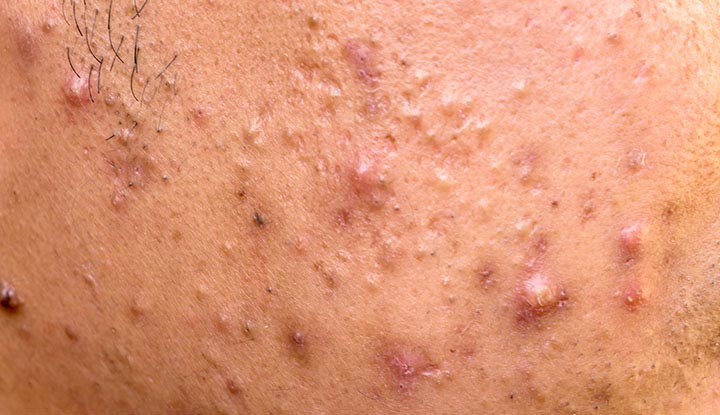
Post-puberty pimples are becoming increasingly common - here's how to distinguish and treat acne at different ages.
Acne doesn't discriminate - whether your're 15 or 35, those unwelcome pimples can make an appearance. But did you know that the acne you had as a teen is not quite the same as the breakouts you might experience as an adult?
What Causes Acne In Teens
Acne begins when pores become clogged with excess oil and dead skin. In some cases, acne-causing bacteria feeds on this mixture, resulting in inflammatory pimples.
Why acne is common among teenagers? Although acne is an increadibly complex condition, we know that a variery of factors play a role. Many of these factors are more common during the teen years:
Hormonal surges
Teens experience a significant increase in androgens - sex hormones (including testosterone) that dramatically increase sebum production. This makes clogged pores more likely.
Genetics
Studies show that if you have a close relative who's had acne, you're more likely to experience it yourself.
High-glycemic index foods
Diets rich in proceed sugars and carbs can lead to chronically high insuling levels - which in turn increase androgens and consequently sebum production.
Causes Of Adult Acne: Hormones And Lifestyle
Adult acne is essentially the same as teen acne but the causes are slightly different:
Hormonal fluctuations
Though not as dramatic as during puberty, changes in endrocine levels can make relative testosterone higher, leading to breakouts.
Medication
Certain drugs, including steriods and lithium, can lead to breakouts
Lifestyle
A high glycemic diet, smoking, stress and inadequate sleep can all increase your susceptibility to adult breakouts
It's worth noting that as we age, our skin's natural ability to renew itself slows down. This decreased cell turnover, combined with factors like declining collagen production, means that adult skin is more prone to slower healing and deeper, cystic breakouts. Understanding these underlying changes can help tailor more effective treatment strategies.
Teen Acne vs Adult Acne: A Detailed Comparison
To better understand the differences between teen and adult acne.
| TEEN ACNE | ADULT ACNE | |
|---|---|---|
| PRIMARY CAUSES | Hormonal surges during puberty | Hormonal fluctuations, stress, lifestyle, medications |
| GENDER PREVALENCE | More common in males | More common in females |
| COMMON LOCATIONS | T-zone (forehead, nose, chin) | Jawline, chin, around the mouth |
| ACNE TYPE | Inflammatory and non-inflmmatory | Inflammatory |
| HEALING RATE | Faster due to quicker skin turnover | Slower due to reduced skin turnover |
| TREATMENTS | OTC + prescription medications | OTC + prescription medications + lifestyle changes |